01 / VARIABLE
What can change?
Structure, tools, interfaces, processes, and the route taken to the next state.
Product · Platforms · Technology transformation
Preserve what must remain. I help complex products, platforms, and organisations evolve without losing their logic, identity, or purpose.
Explore the invariantIntroducing Invariando
Invariando is a way of working with complex systems: separating what is essential from what is accidental, then changing with precision.
The objective is not to keep everything fixed. It is to ensure each new version can explain where it came from—and why it is still itself.
01 / VARIABLE
Structure, tools, interfaces, processes, and the route taken to the next state.
02 / INVARIANT
The purpose, identity, constraints, and relationships that make the system recognisably itself.
Problems, not departments
These problems sit between disciplines. So do I.
A product has accumulated features but lost direction.
Delivery is moving, but nobody can explain where value is getting lost.
Product and engineering are optimising different systems.
A platform needs to evolve without disrupting the organisation built around it.
AI is arriving faster than ownership, validation, and governance can adapt.
Where Invariando works
Three recurring contexts. One governing principle: change the system without discarding what already makes it valuable.
When product, technology, and operations have stopped telling the same story. Direction, platform evolution, prioritisation, and the operating model around them.
When legacy, dependencies, and multiple actors have made progress difficult to govern. Clarity and control without turning the work into PMO theatre.
When new capabilities change how work, authority, and knowledge move. Adoption designed around ownership, validation, traceability, and purpose.
Change with trace
The terrain can change.
The path must remain legible.
How it works
From complexity to a transformation that remains clear, intentional, and traceable.
Map relationships, tensions, and patterns before moving a single piece.
Make explicit what must survive the change: purpose, identity, or governing logic.
Design every transition so the path remains legible, deliberate, and governable.
Patterns of work
A view of the situations in which I tend to work, without pretending complex change fits inside a catalogue of services.
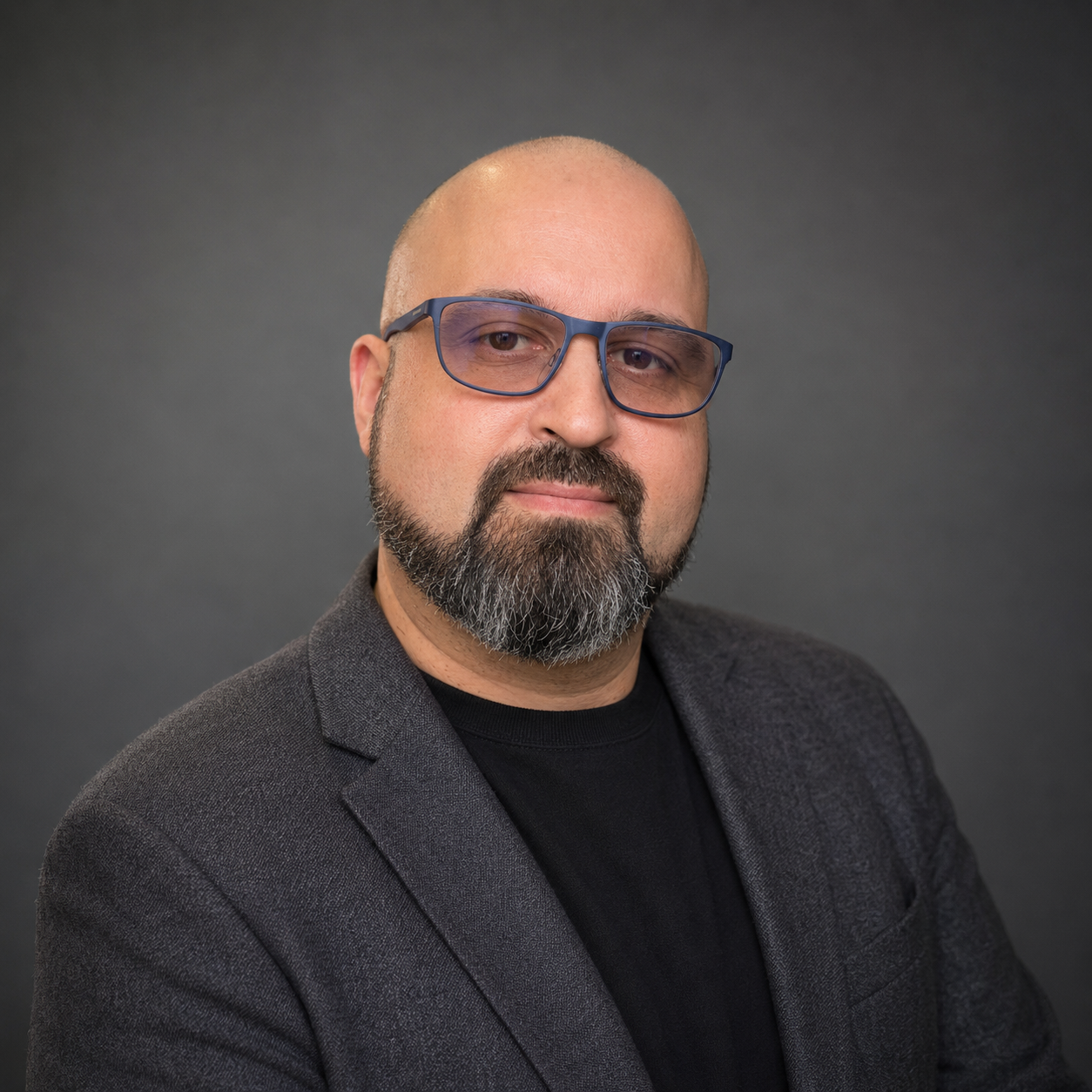
The person behind the practice
Invariando is my independent practice. I work where software, products, organisations, and complex delivery systems meet.
I started close to the code and gradually moved outward—from building software, to leading projects and platforms, to shaping products, operating models, and transformation initiatives.
That trajectory means I tend to see organisations as systems rather than collections of departments, roles, processes, or backlogs. I do my best work when the problem does not fit neatly inside a single function.
The titles have changed. The underlying work has remained remarkably invariant.
Ways to work together
Sometimes the right answer is a role. Sometimes it is an intervention.
Sustained ownership inside an organisation or initiative when the problem needs proximity to the teams doing the work.
An experienced counterpart for recurring product, technology, operating-model, transformation, or AI decisions.
A bounded problem, a period of investigation, and a concrete outcome before committing to a larger change.
The governing question
You do not need a polished brief. A product, platform, or organisation that needs to change is enough to start.
Start a conversation